
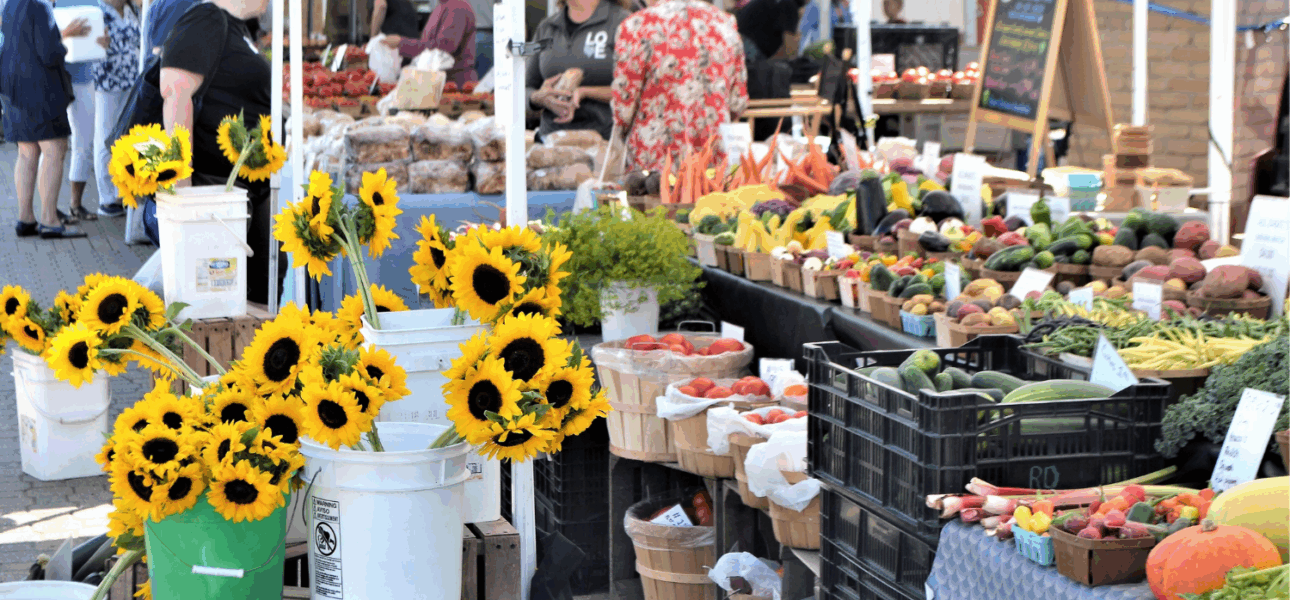
Over the past decade, cities across the country have seen a noticeable shift in how public and semi-public spaces are used. Empty lots, parking areas, and transitional properties are increasingly being transformed into farmers markets, wellness pop-ups, and community-driven events focused on health, food, and local connection.
This trend isn’t accidental. It reflects a growing demand for experiences that are local, accessible, and rooted in everyday life.


Farmers markets and health pop-ups are a modern expression of that philosophy.
Why These Activations Are Growing
Consumers are becoming more intentional about where their food comes from, how they spend their time, and which businesses they support. Farmers markets offer transparency, local sourcing, and a sense of trust that traditional retail often lacks.
Health-focused pop-ups — from mobile fitness classes to wellness vendors and preventative care services — meet people where they already are, removing barriers to access while creating a low-pressure entry point for healthier habits.
Together, these activations turn ordinary spaces into places of connection.
Flexible Spaces Enable Community
One of the key reasons these events continue to grow is flexibility. They don’t require permanent construction or long-term commitments. A well-managed lot or open parcel can host a weekly market, a weekend wellness event, or a rotating series of pop-ups with minimal infrastructure.
Clear layout, defined circulation, temporary systems, and predictable operations allow these spaces to function smoothly while remaining adaptable to future use.
“Cities have the capability of providing something for everybody, only because, and only when, they are created by everybody.“
Jane Jacobs
The Role of Operations Behind the Scenes
While these events feel organic and community-driven, their success depends on structure. Parking flow, safety considerations, vendor access, and clear communication all play a role in creating a positive experience.
When these operational details are handled well, vendors can focus on what they do best, attendees feel comfortable returning, and the space itself becomes a reliable platform for ongoing activation.
Health, Local Business, and Long-Term Value
Farmers markets and health pop-ups don’t just benefit attendees — they support small businesses, encourage repeat foot traffic, and keep properties active. Over time, consistent activation helps establish a space as part of the neighborhood’s routine rather than a temporary novelty.
For property owners, this kind of use maintains visibility, generates revenue, and preserves flexibility for long-term development plans.
Looking Ahead
As cities continue to prioritize walkability, wellness, and local engagement, farmers markets and health pop-ups are likely to remain a core part of the urban landscape. They reflect a broader shift toward spaces that serve people first — spaces that are useful, welcoming, and adaptable.
With the right structure in place, even the most overlooked properties can become platforms for healthier communities and stronger local connections.